Quad Cities Tap Water Quality in 2026: What Moline, Rock Island, Davenport, and Bettendorf Residents Need to Know About Home Water Filtration Systems
Quad Cities tap water quality matters to every homeowner in Moline, Rock Island, Davenport, and Bettendorf. All four cities draw from the Mississippi River or closely related surface water sources, creating shared concerns even though each has its own treatment profile, aging infrastructure, and distribution challenges. Here is what to expect in 2026.
What's Actually in Quad Cities Tap Water?
Quad Cities tap water meets federal drinking water standards and is legally considered safe. However, those standards are set at a population level and do not account for your specific pipes, your household's sensitivity, or contaminants that fall below the action threshold but still affect taste, odor, and appliance wear.
Four contaminant categories matter most: hardness minerals, chlorine and its byproducts, nitrates, and PFAS compounds. A home water filtration system addresses many of these concerns before water reaches your tap.
City-by-City Breakdown: Moline, Rock Island, Davenport, and Bettendorf
Moline, IL
Moline draws from the Mississippi River, and water hardness here is among the highest in the region, with scale on fixtures and appliances a common complaint. Chlorine residual is within EPA limits but detectable by taste in many homes. The City of Moline participated in an Illinois EPA PFAS investigation, which found trace concentrations of three PFAS compounds. A home water filtration system in Moline, IL, can address these layered concerns before water reaches your tap.
Rock Island, IL
Nitrates in Rock Island's water likely originate from agricultural fertilizer runoff throughout the Mississippi River watershed. Excessive nitrate can cause oxygen deprivation in infants and increase cancer risk. Rock Island shares distribution infrastructure with Moline and faces similar hard water and chlorine residual challenges. Installing a home water filtration system is a practical way for Rock Island households to reduce exposure.
Davenport, IA
Davenport also draws from the Mississippi, and seasonal agricultural runoff influences turbidity and organic compound levels. Water hardness is moderate to high. Disinfection byproducts, including Total Trihalomethanes at 39.00 ppb and Haloacetic Acids at 37.00 ppb, were well below maximum contaminant levels in recent reporting. Monitoring detected a low level of PFOA (2.1 ng/L), while other PFAS compounds were not detected.
Bettendorf, IA
Bettendorf shares much of its water infrastructure and source characteristics with Davenport. Older residential areas may have aging service lines that introduce variables not captured in the citywide report. For households in older neighborhoods, a home water filtration system provides protection that city treatment alone cannot guarantee.
Contaminant Comparison at a Glance
| Concern | Moline | Rock Island | Davenport | Bettendorf |
|---|---|---|---|---|
| Hard Water | High | High | Moderate-High | Moderate-High |
| Chlorine Residual | Detectable | Detectable | Detectable | Detectable |
| Nitrates | Present | Present | Present | Present |
| PFAS Detected | Yes (trace) | Monitored | Low level PFOA | Monitored |
| Aging Pipes Risk | Varies by area | Varies by area | Varies by area | Higher in older areas |
When Does a Home Filtration System Make Sense?
Hard water leaves mineral scale inside pipes, water heaters, dishwashers, and washing machines, reducing efficiency and shortening appliance life. It leaves deposits on fixtures and glass and interferes with soap performance. The cost in repairs and replacements adds up over time.
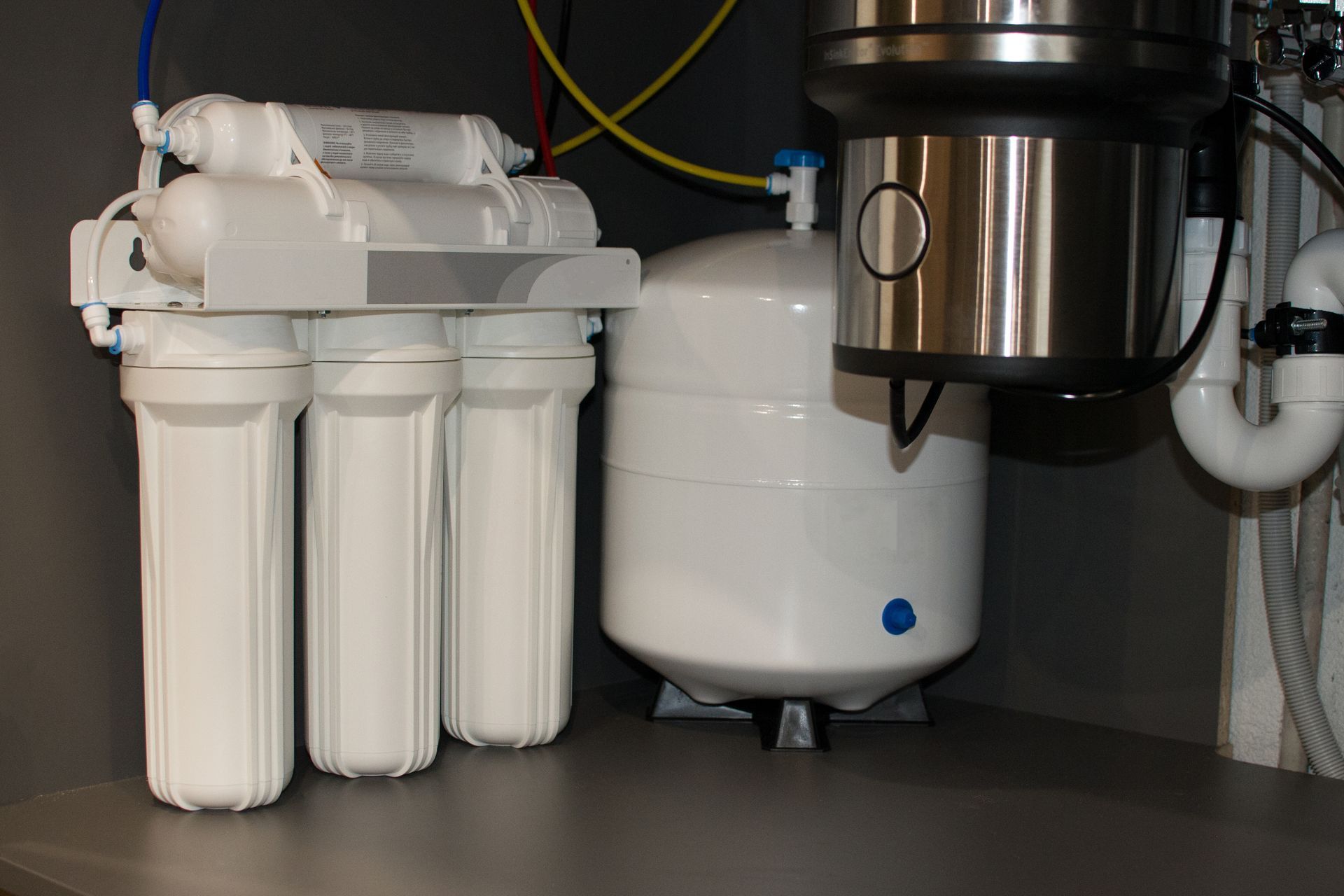
A point-of-entry filtration system treats water before it reaches any faucet, shower, or appliance. It removes sediment, chlorine, and other contaminants at the source. For drinking water specifically, a drinking water station connects directly to your kitchen tap and delivers clean, great-tasting water on demand.
Some contaminants, including nitrates, PFAS, and trace pharmaceuticals, may be present at sub-threshold concentrations that are legal to report as non-detects but remain detectable. That gap between legal compliance and actual exposure is why many Quad Cities families add an in-home layer of protection.
What Type of System Is Right for My Water?
The best system depends on your specific results. A whole-house filter addresses sediment and chlorine at every tap. A reverse osmosis drinking water station targets nitrates, PFAS, and dissolved compounds at the point of use. A water softener tackles hardness minerals that harm appliances and plumbing. Many homeowners combine systems, given the region's multi-contaminant profile.
How Do I Know What's in My Tap Water Specifically?
City water quality reports cover regulated contaminants at the treatment plant. They do not reflect what happens inside your home's older plumbing. A free in-home test gives you real numbers for your own tap, and those results guide which filtration setup makes the most sense for your household.
Get a Free Water Test and Take the Next Step
Midwest Water Company is a family-owned, Kinetico-authorized provider serving Moline, Rock Island, Davenport, Bettendorf, and surrounding Quad Cities communities. Whether you are dealing with hard water scale, chlorine odor, nitrate concerns, or PFAS questions, the starting point is knowing exactly what is in your water.
Schedule your free in-home water test today, or explore water filtration and treatment solutions for your home. You can also call the team directly at (309) 702-2424 to ask questions or book an appointment. Find Midwest Water Company on Google Maps to read reviews from your Quad Cities neighbors.
Recent Posts